The Hidden Attic
HIDDEN ESCAPE ATTIC – HOLLAND
By Roger Stanton
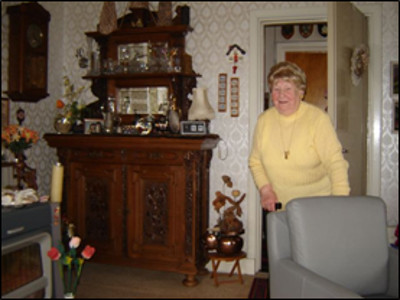
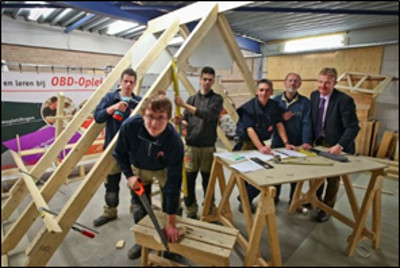
On entry to the museum there are many scenes of the occupation together with weapons, stories, clothes and Resistance memorabilia from over 70 years ago, and at the end of the main corridor is the ‘Lelivelt Escape Attic’, made by a younger generation. Mia has made a video describing the wartime days at her home, her work to help her father, and detailing a diary of hiding in Keijenborg kept by the family, and knick knacks from a from a wartime generation. Martin Lelivelt, by his brave actions, ensured that many dozens of aircrew evaders were hidden until it was safe to move them ‘down the line’. But not only that, they had to be fed and at times their wounds needed treatment. The hide was an ingenious structure and difficult to gain entry to. When Martin was betrayed the Germans searched his home but found no-one and could not find the shelter. Nevertheless he was taken away to Fort Rhijnauwen for brutal interrogations and later executed. Mia has never really taken leave of her father, he has no grave or place to mourn, as his body was burnt in the furnace. The museum attic is in his lasting memory. The Germans were led to the house by the infamous Dutch traitor Willy Markus. He was working with the Sicherheitsdienst (SD), had infiltrated the Resistance and then betrayed them. He was a so called ‘V man’. He betrayed many people. When Martin Lelivelt led the Germans through every part of his house nothing was found; no evaders; yet they still took him away. Mia still lives in the house with her memories and explains that the hide was initially to be used as a pantry. She was fifteen when it was built and she assisted her father with the construction and handed him the wood and the nails. Dozens hid in the attic, many finally reaching England via France, Spain and Portugal. Mia explains that it took an awful lot of organisational talent, prudence and secrecy. Every day you had to think about every action you did. You could not hang men’s washing on the washing line. Shopping had to take place in other villages where the family were not known. A strict routine was in place for lights and the use of toilets. Life had to appear to go on as normal. The many different people arriving at, or based in the house were often unaware of each other’s presence.