The Long March
The Long March into Captivity – Summer 1940
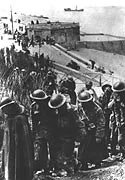
Following the evacuation from Dunkirk in June 1940, the remaining British formations in France – including the 51st (Highland) Division, elements of 1st Armoured Division and ad hoc units such as the Beauman Division – fought stubborn rearguard actions alongside their French allies. When ammunition dwindled and fresh armoured thrusts cut off escape routes, thousands of soldiers were forced to capitulate around St Valery en Caux and along the Seine. Small parties melted into the countryside with the help of local civilians, laying the groundwork for the first wartime evaders, while the majority began a grim march into captivity.
Stripped of their weapons but still burdened with kit, the prisoners were herded north by equally exhausted German escorts who had outrun their own supply lines. The main column trudged roughly twenty miles a day through Domart, Béthune and Seclin in France, across Tournai, Renaix and Ninove in Belgium, then onwards through Hulst and Walsoorden in the Netherlands to the Rhine crossings at Wesel and Hemer. A secondary route pushed wounded men through Amiens, Cambrai and Luxembourg. Along the way, townspeople risked reprisals to pass food, water and whispered encouragement.
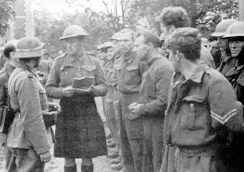
The columns endured blistered feet on cobbled roads, long stretches without rest, and nights spent in barns, churches, schools and racecourses with little shelter from the weather. In mining towns such as Béthune and Doullens, women smuggled bread, coffee and sugar through the ranks; at Tournai prisoners were allowed cold showers, and at Ninove Belgian families opened their homes to the men. The marchers never forgot those acts of kindness from communities who themselves owned very little.
Belgium’s reception was initially wary, but by Brussels many locals openly offered food or spirited men out of the column to be hidden by resistance networks. Crossing into the Netherlands, crowds provided fresh Dutch loaves and small luxuries. Near Walsoorden the prisoners washed in the Scheldt before being packed into crowded Rhine steamers and barges, surviving on scant rations in stifling heat. By 1 July they reached Wesel in Germany, where they finally received proper meals before being transported by rail to Oflags and Stalags such as Oflag VI-C at Laufen. For many, this first “Long March” was followed by months or years of captivity.
The Long March to Freedom – Winter 1944/45
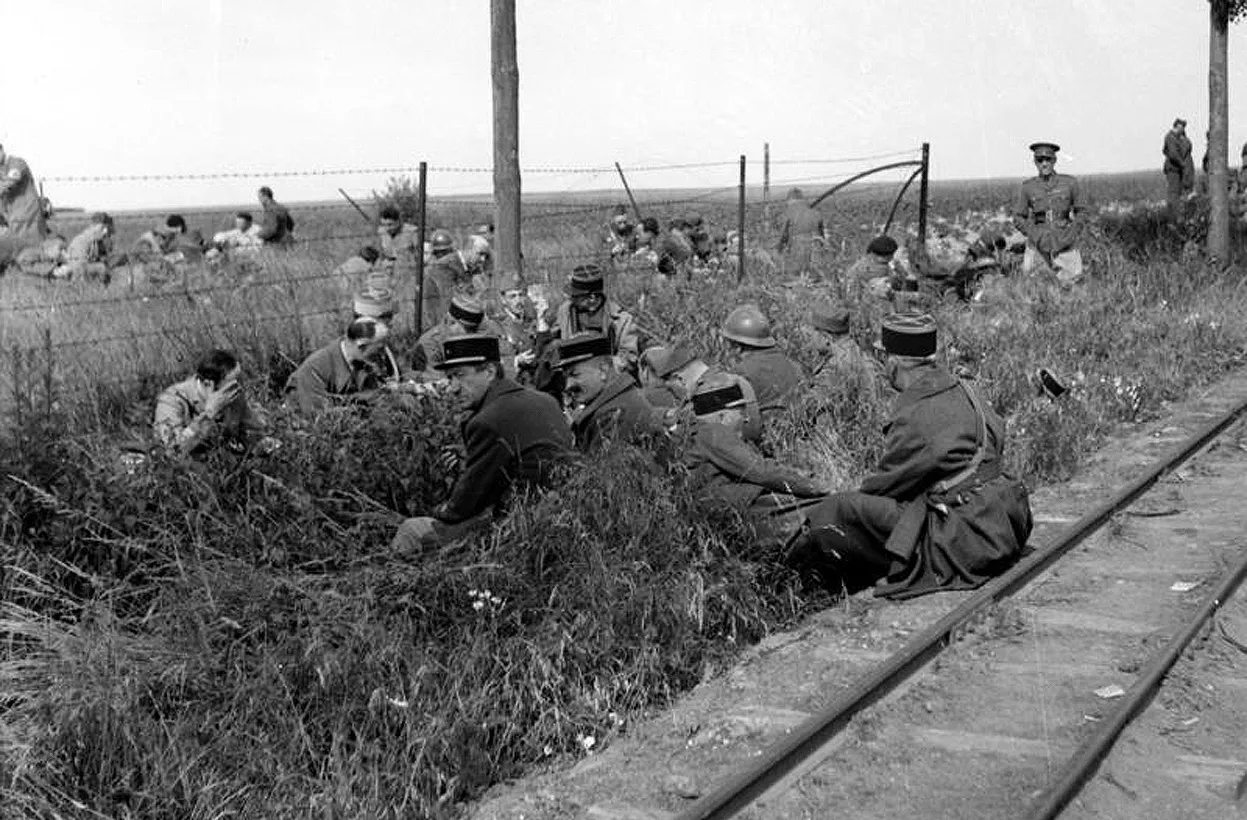
Four years later the name “Long March” took on a new, bitter meaning. As Soviet forces advanced from the east and the Western Allies pushed across France, Hitler ordered the evacuation of Allied prisoners from camps in Poland and eastern Germany. The regime hoped to keep the men as bargaining chips and to prevent their liberation by the Red Army. Between January and April 1945 more than 100,000 British and Commonwealth prisoners – along with American, Dutch, French and other nationalities – were driven westward through a brutal winter.
When Stalag Luft III at Sagan received its evacuation order late on 26 January 1945, the men were given barely half an hour to gather belongings. They fashioned makeshift sledges from bunk frames, lashed Red Cross parcels into improvised rucksacks and, at 04:00, began marching out of the gate where the Great Escape had taken place ten months earlier. Temperatures plunged well below freezing as they slogged towards Halbau, crowding into any shelter they could find before being forced back onto the road.
The marchers shared the route with German refugees and retreating army units. Frozen boots and clothing had to be thawed by fires each morning; long, rutted roads made sledge hauling exhausting, and many men collapsed from exposure, dysentery or simple fatigue. Guards – often older reservists with little food themselves – struggled to maintain discipline, so the prisoners organised their own columns and mutual aid. Villagers sometimes exchanged hot water, carts or wheelbarrows for Red Cross rations, while others turned the men away or reacted with hostility.
As conditions shifted from blizzards to sodden thaw, discarded sledges and kit littered the verges. Those who fell out risked being shot by passing SS patrols. Near Spremberg the marchers were crammed into cattle trucks, forty-five men to a wagon, before being scattered to already overcrowded camps such as Milag-Marlag Nord near Bremen. Despite the chaos, many managed to slip away and link up with Allied units as the front lines drew nearer.
The winter marches of 1944/45 left deep scars: countless prisoners died from cold, hunger or disease, and survivors carried memories of the ordeal for the rest of their lives. Yet the same story also highlighted courage and solidarity – among POWs who supported one another, and among the civilians who risked everything to offer bread, warmth and hope.